
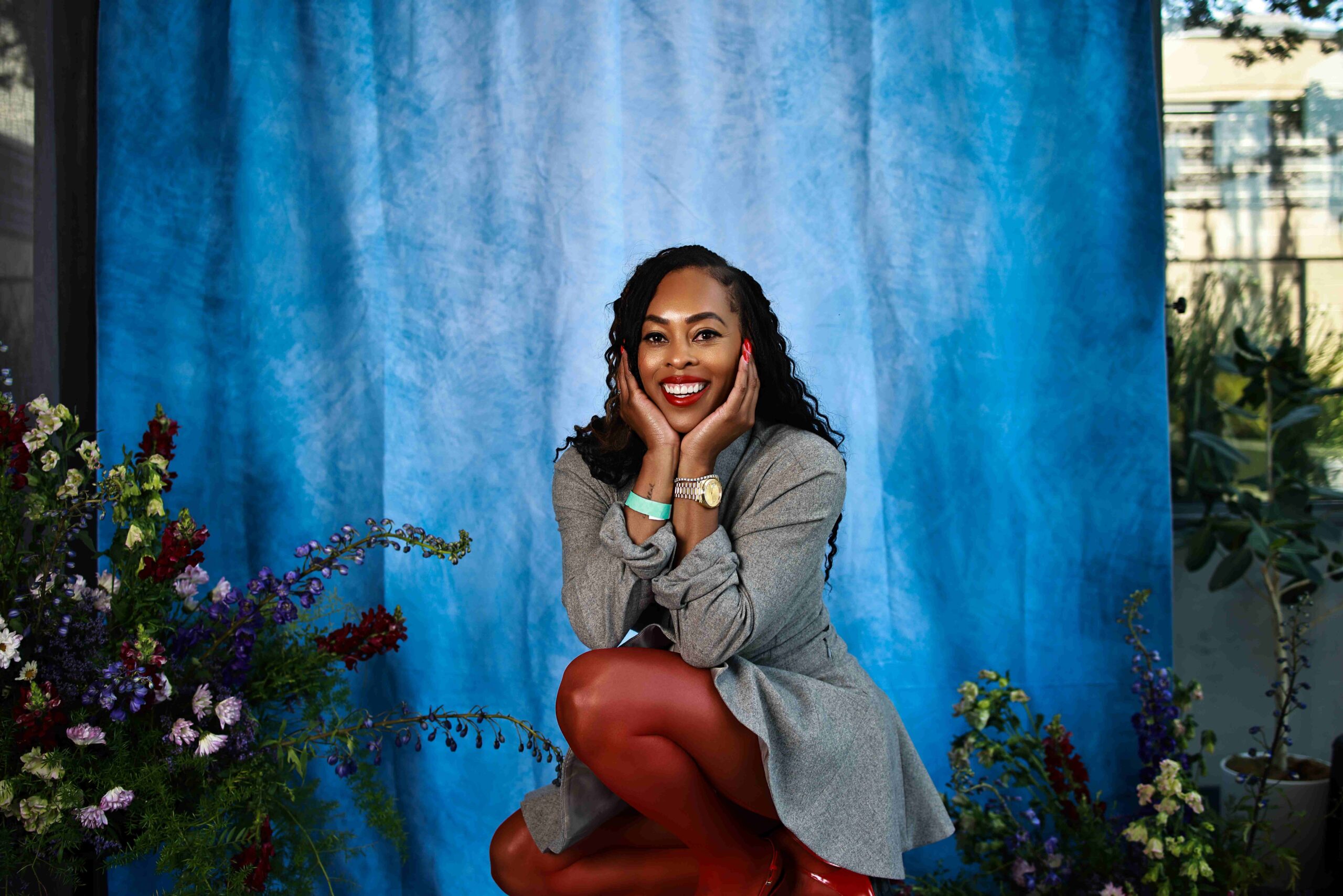
Being a stand-up comedian is hard. It requires you to have confidence, time your punchlines and warm people up right from the first step on the stage. For a comedienne, it can be even harder. Not only do you need to get the audience laughing at the first instance, but there are also societal barriers you need to conquer.
In the United States of America, the barriers are not so visible. Because almost as many stand-up comedians as there are stand-up comedians, there are also comediennes in the country. But how do you become a comedian? What does it take to be a comedian?
In this interview, Daphnique Springs, one of the beloved comedians in the U.S. at the moment, speaks candidly about how she found comedy, the challenges of staying visible in a competitive industry, and what it means to keep choosing herself in a space that rarely makes it easy.
Daphnique is unapologetic. Her comedy reflects lived experience as much as performance. Daphnique’s stand-up comedy is a mix of intelligent and relatable humour, covering personal experiences and social commentary. Her performances are characterised by witty and pointed sarcasm.
Daphnique Springs has featured for Martin Lawrence (2015), toured with Katt Williams on his Born Again…Again Tour (2014-2015), and won several awards, including the She-Devil Festival in NYC (2015) and the American Black Film Festival’s “Comedy Wings Competition” (2016). She has also appeared on Laughs on FOX and HBO All Def Comedy.
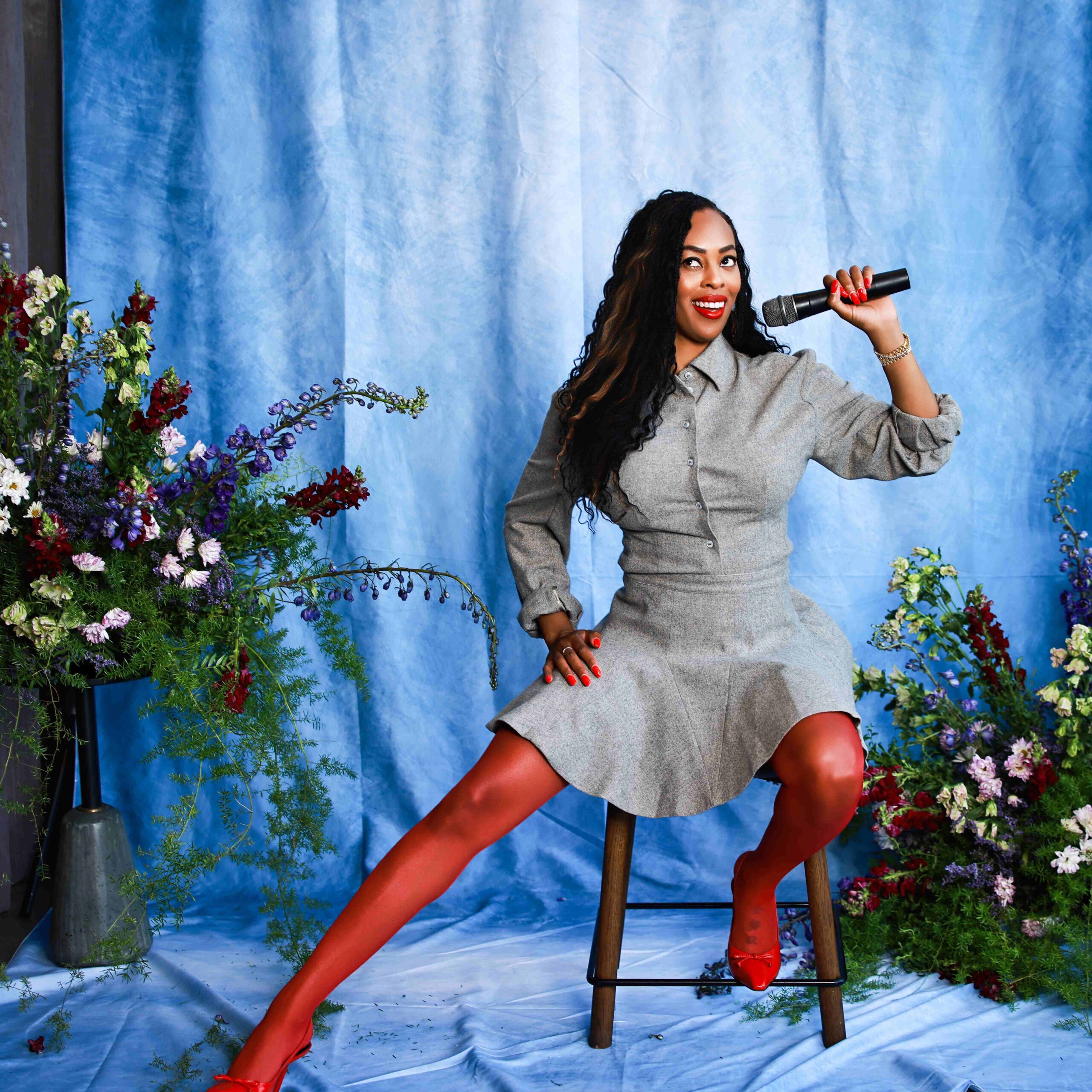
Hello Daphnique. How are you feeling today?
I’m feeling grateful and focused. I’ve learned that peace is a form of success too. I still have big goals, but I’m in a season where I’m enjoying the work, trusting the process, and giving myself credit for how far I’ve come.
Let’s start from the beginning — where did you grow up, and what was your childhood like? Did your early experiences shape your sense of humour?
I grew up in Palm Beach County, Florida, and yes, that environment absolutely shaped my humour. South Florida is a mix of cultures, personalities and extremes. You learn how to read people early, how to adapt, and how to speak up for yourself. Humour became a way to navigate life, relationships, and identity. It wasn’t about trying to be funny; it was about telling the truth in a way people could receive.
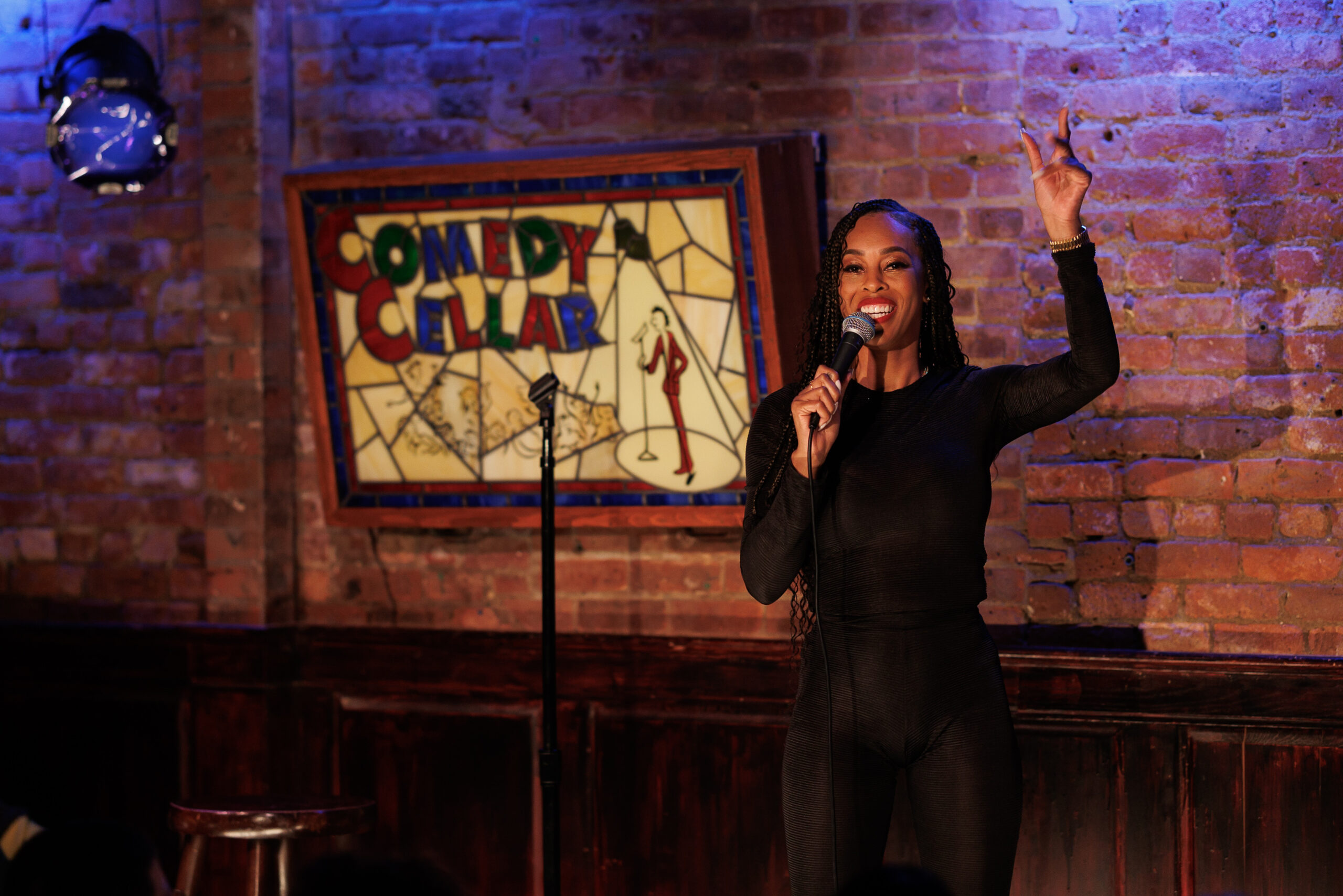
Breaking into the American comedy industry isn’t easy. How did your journey begin, and what were those early days like?
My journey started the humble way: open mics, small rooms, no guarantees. Early on, you’re performing for crowds that don’t know you, don’t owe you anything, and definitely aren’t impressed yet. I learned quickly that consistency matters more than hype. Those early days taught me discipline, humility and how to stand ten toes down in who I am, even when the room isn’t warm yet.
Was there a specific performance, show, or moment that made you feel, “Okay, this is really happening”?
There wasn’t just one moment; it was a series of them. The first time I saw my name on a real lineup. The first time, people came specifically to see me. My first major special. You realise it’s happening when strangers quote your jokes back to you. That’s when it clicks: this isn’t just my dream anymore, it’s connecting.
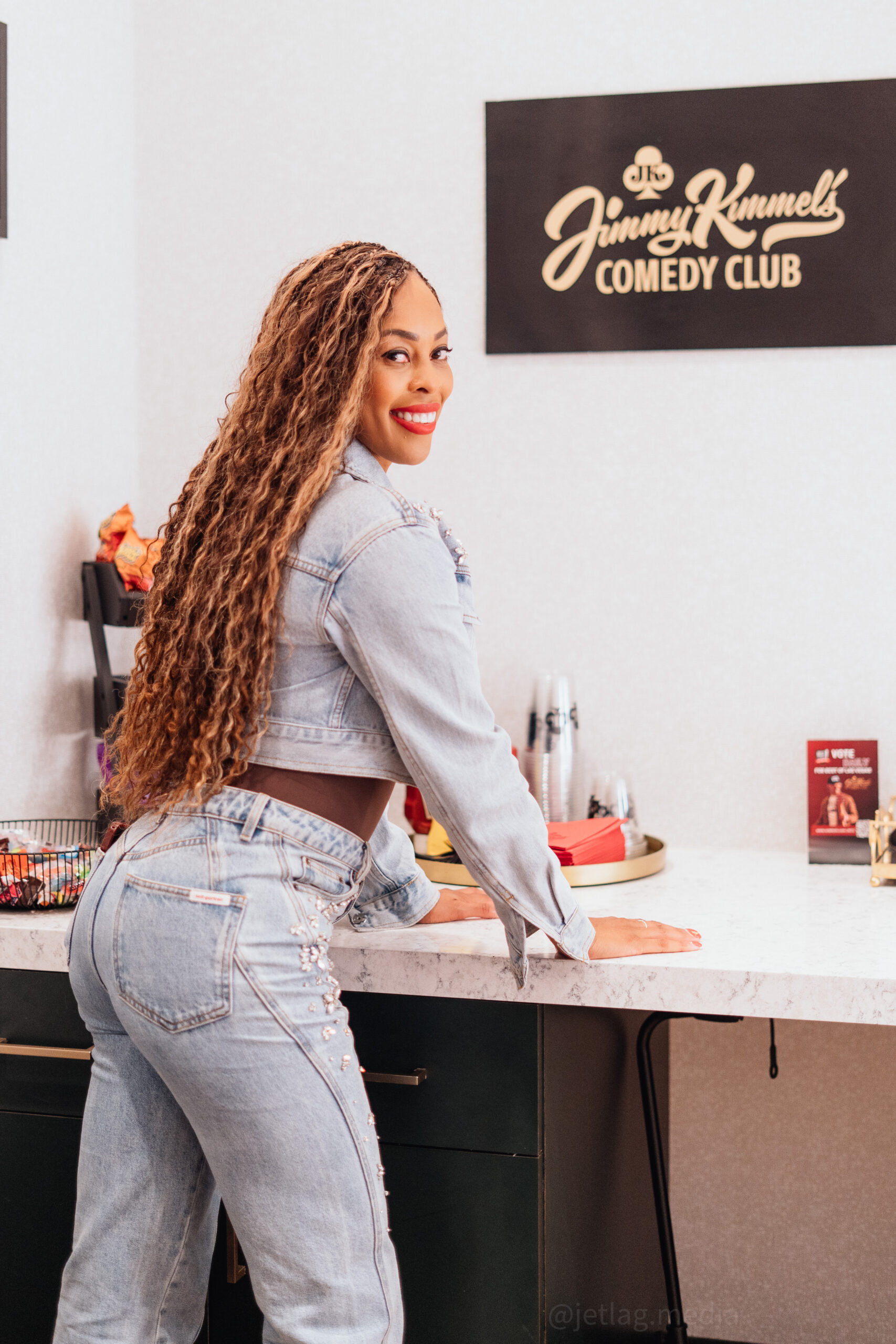
Who or what influenced your comedic voice early on? Were there comedians you studied or drew inspiration from?
I was influenced by comedians who told the truth — especially the ones who weren’t afraid to be raw, bold, or uncomfortable. I studied timing, storytelling, and fearlessness more than punchlines. But honestly, my biggest influence was real life. My relationships. My mistakes. My growth. I don’t try to sound like anyone else; I worked hard to sound like me.
You’re also an actor. Tell us about balancing both careers
Comedy and acting feed each other. Comedy keeps me honest, acting keeps me disciplined. Acting requires patience and surrender, while stand-up demands presence and control. Balancing both means knowing when to switch gears and trusting that I don’t have to choose one identity. I’m a storyteller, sometimes with a mic, sometimes with a script.
What do you wish people understood better about you beyond the stage and screen?
That I’m very intentional. People see humour and assume everything comes easy, but I’m thoughtful, strategic, and deeply reflective. I care about impact, not just laughs. I care about ownership, longevity, and building something that lasts, not just being funny for a moment.
What excites you most about where your career is headed right now?
The control. I’m excited about creating my own projects, owning my voice, and expanding beyond one lane. I’m not chasing validation anymore; I’m building legacy. That’s a different energy, and it feels powerful.
For young women, especially women of colour, who want to pursue comedy or acting, what honest advice would you give them?
Be patient with yourself and ruthless about your boundaries. Learn the business early. Don’t confuse exposure with opportunity. Your voice matters, but so does your ownership. And don’t wait for permission: create, fail, learn, repeat. The industry doesn’t hand you space. You build it.
The post How Did Daphnique Springs Find Her Place in Comedy? appeared first on BellaNaija - Showcasing Africa to the world. Read today!.
from BellaNaija https://ift.tt/fxHYWcm