
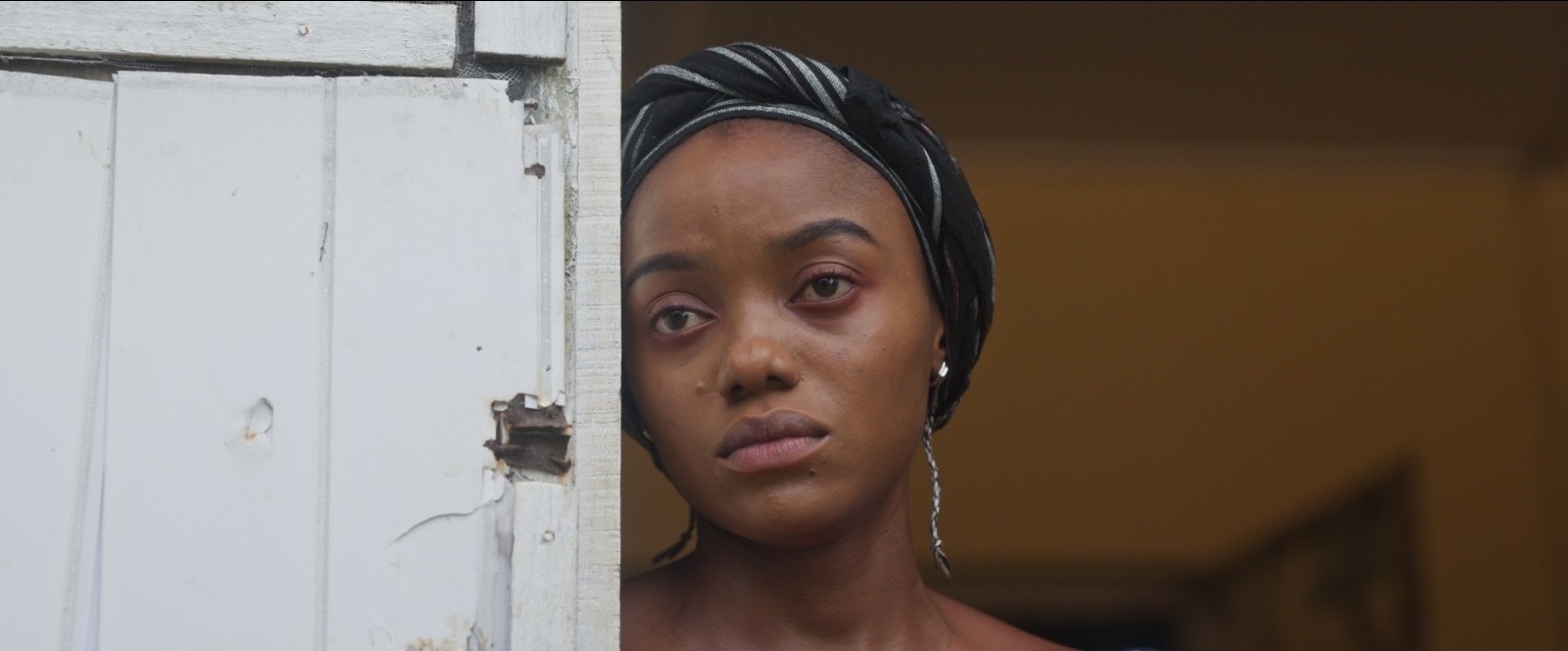
Adanne. Melon House
One of the major strongpoints of Nollywood is how its movies reflect the reality and daily struggles of Nigerians. Topics and titles that may not be openly discussed or discussed in muffled voices are shown on the big screen to the audience. This is why filmmaking is one of the most important treasures of the world; it spotlights stories of the underrepresented and magnifies the often-ignored. Adanne, a movie that tells the story of three generations of Nigerian women, exploring legacy, identity, and resilience through an intergenerational lens, aims to do the same.
Written and produced by Gold Gerry, the forthcoming movie traces the emotional currents of womanhood, family and inheritance; those silent negotiations of love, sacrifice, resentment and understanding that inform generations of women within the same home.
For Gerry, the movie is not merely a creative project but a deeply personal excavation. Inspired by her own relationship with her mother and the shared experiences of many firstborn daughters, Adanne explores the emotional architecture of maternal bonds with honesty and tenderness.
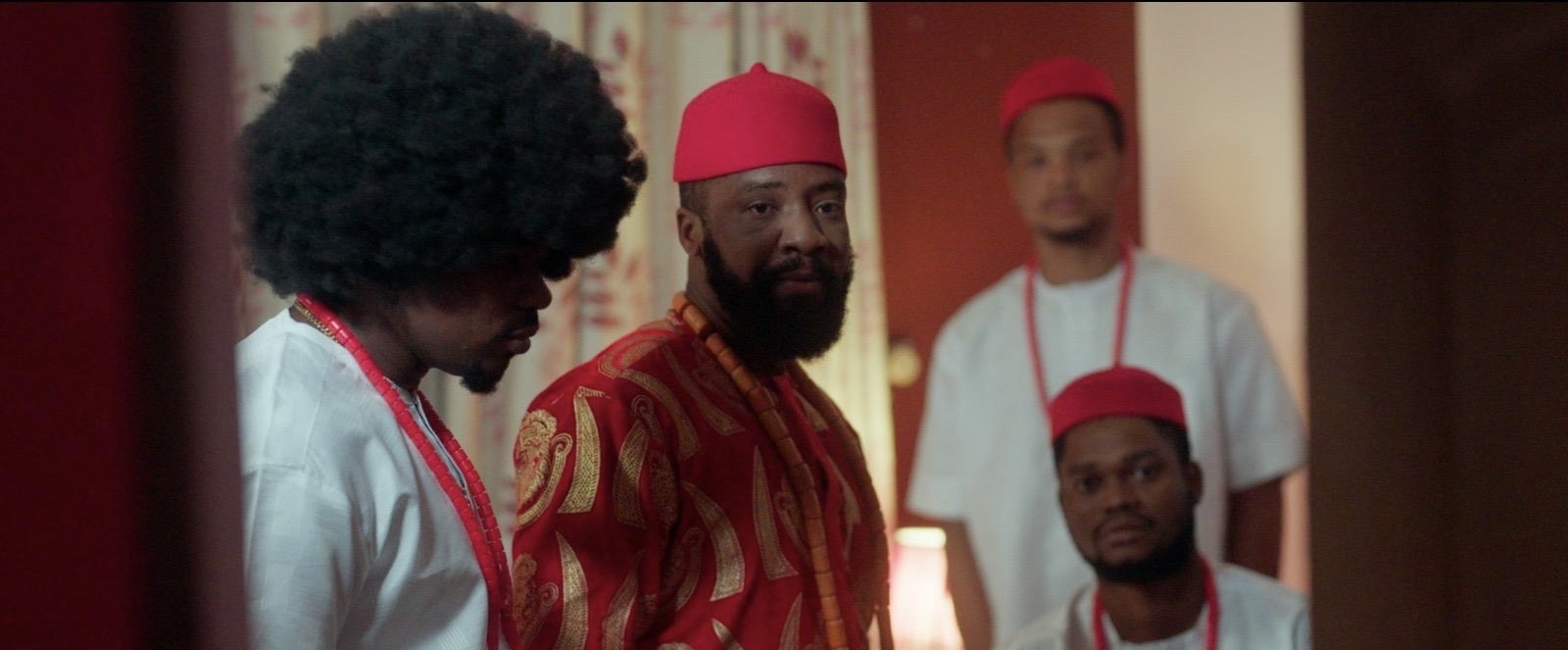
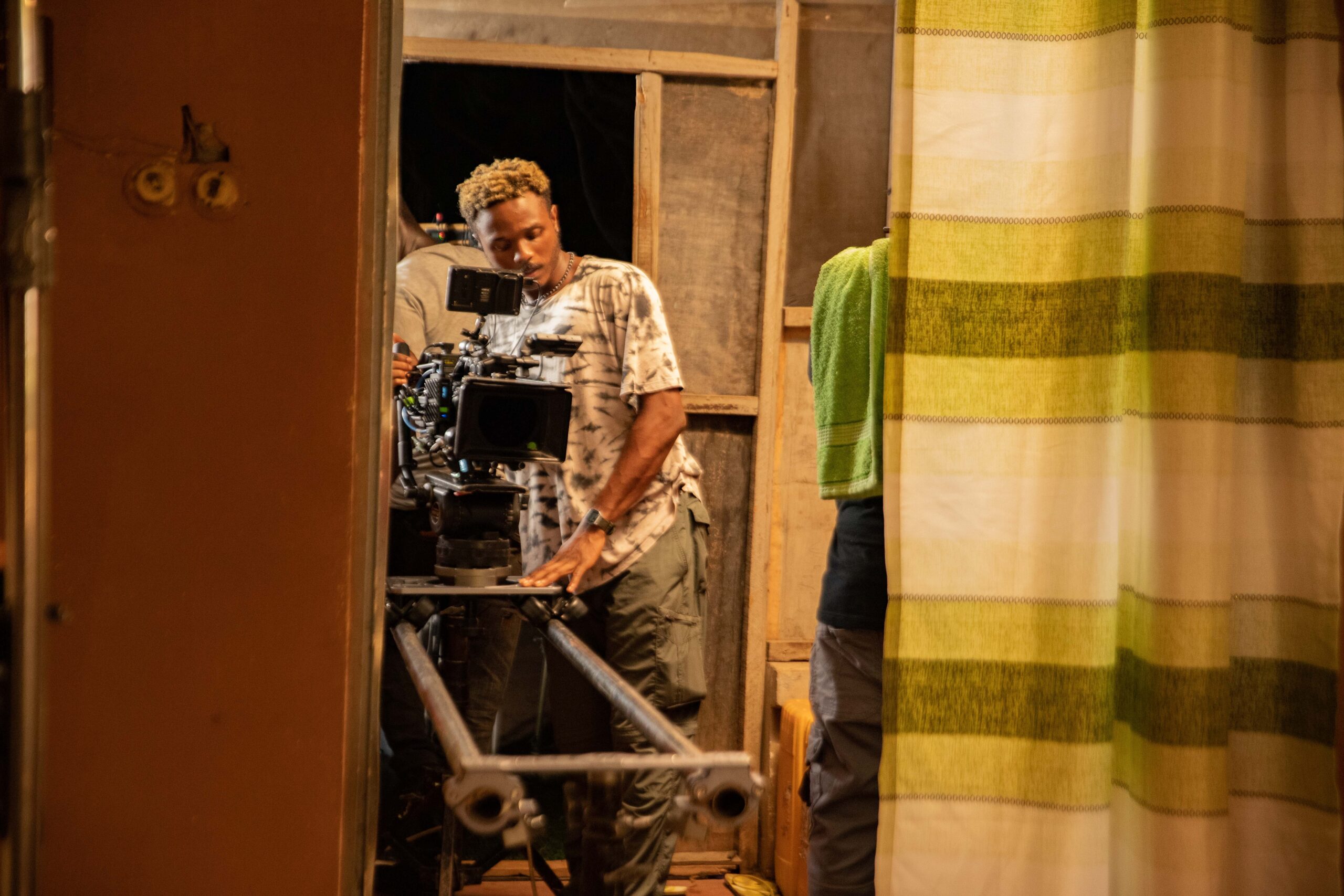
Produced under her independent banner, Melon House, the movie represents the growing ambition of a new generation of Nigerian filmmakers determined to build stories from the inside out: culturally specific, emotionally grounded, and crafted with an eye toward global resonance. Shot in Ibadan with a tight-knit crew and a fiercely committed team, Adanne carries the marks of independent filmmaking—resourceful, collaborative, and driven by belief.
Adanne is directed by Orobosa Ikponmwen and features a cast including Onyinye Odokoro, Somachi Chilaka, Kelvinmary Ndukwe, Jennifer Umenwa, and others.
In this conversation, Gerry reflects on the deeply personal inspiration behind Adanne, the challenges of building a production company and why she remains committed to telling stories that illuminate the tensions of everyday life.
Enjoy the conversation!
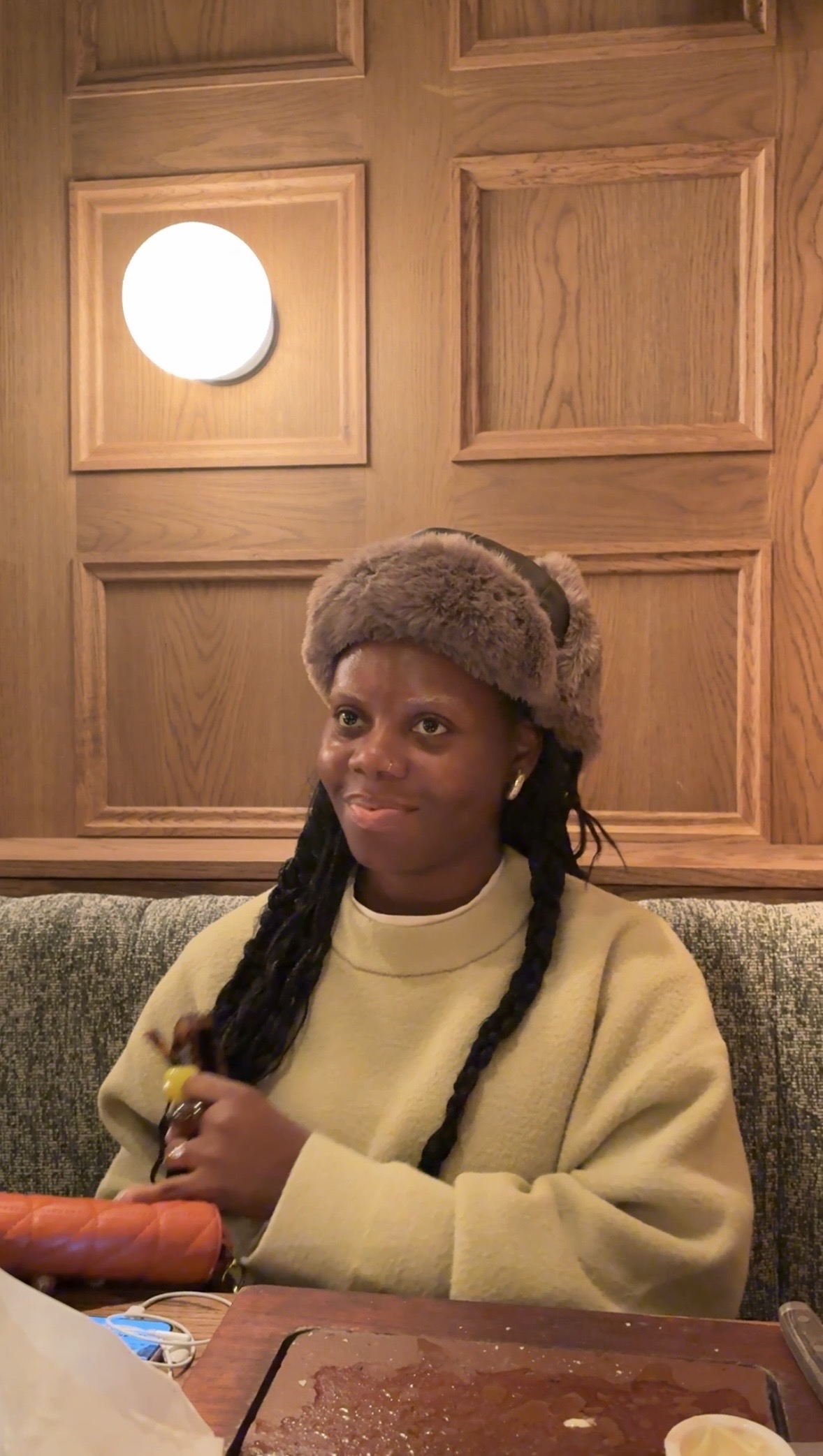
Gold Gerry
Hello Gold. How are you feeling?
Hi, I’m doing well. Hope you’re doing great as well?
I am well, thank you. As the writer, what inspired you to write Adanne, and what do you hope viewers take away from the movie when it’s released?
My inspiration came from the relationship between my mum and me. Over the years, we’ve navigated so many variations of what a mother-daughter relationship can be, and I wanted to write a story that honestly showcases that complexity. I’ve also noticed that many of my friends who are firstborn daughters, or only girls in their homes, share similar dynamics with their mothers. That made me realise this struggle is universal; it’s not just my story, it’s a story that many women can see themselves in. I poured my heart and soul into writing Adanne. It took me a year to bring it to life, and I hope viewers feel the loneliness, the love, and the tensions each woman experiences. I hope that audiences don’t just see themselves reflected, but also catch a glimpse of their mothers, the struggles they carry, the sacrifices they make and maybe even find a sense of solace, understanding, or connection from the world we’ve created.
Before we further talk about the movie, let’s talk about you. What first drew you to filmmaking, and at what point did you realise this was something you wanted to pursue seriously?
I’ve always been a storyteller. From primary school, I wrote books, created worlds, developed characters, and imagined lives beyond my own. Storytelling has always felt instinctive to me. I often say this because it truly shaped me: my consistency eventually led me to work alongside people I deeply admire, like BB Sasore and Eku Edewor. Being in a Netflix writers’ room with them was transformative. It was the first time I saw storytelling at that scale, disciplined, intentional, and collaborative, and it gave me the nudge to pursue filmmaking seriously. I left that experience inspired and certain. I began taking screenwriting classes and seeking roles that would allow me to nurture my craft. It started as something I loved and became something I was willing to build my life around.
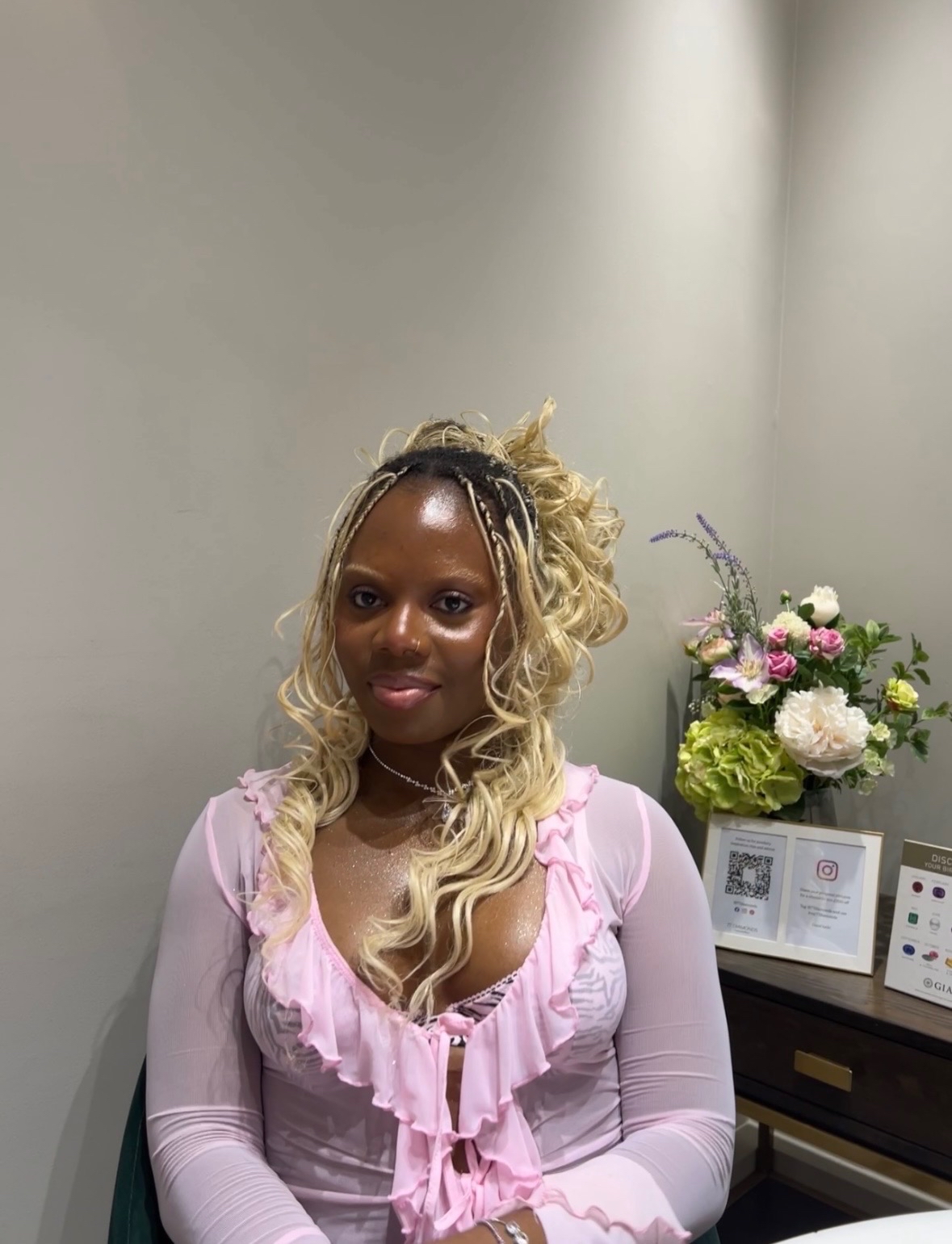
Independent filmmaking often requires a great deal of personal sacrifice. What were some of the biggest challenges you faced in building Melon House, and how did those experiences inform who you are?
Personal sacrifice? Don’t I know her by her first name? Financially, that was the most obvious challenge. I built Melon House off the back of Boo’d Up, my first short film in 2022. At the time, we spent $3,000 producing it, which felt significant for where I was in my journey. Barely two years into filmmaking, it was brave (and slightly terrifying) to go from that to establishing a production house, all while navigating my corporate career. But beyond finances, one of the biggest challenges was finding my people. I moved through different sets, different creative spaces, meeting collaborators along the way.
Building community in this industry was deeply important to me, and that search wasn’t always easy. There were moments of misalignment, moments of trial and error. But eventually, I found my footing with creatives whose vision and work ethic aligned with mine. That process taught me patience. Waiting for the right collaborators, the ones who truly understand the vision and future you’re trying to build, sharpened my instincts. It gave me a stronger eye for talent, whether in casting, hiring crew, or even choosing which opportunities were right for me and for Melon House. In many ways, the sacrifice shaped my discernment. It made me more intentional, more strategic, and more protective of the kind of creative ecosystem I want to build.
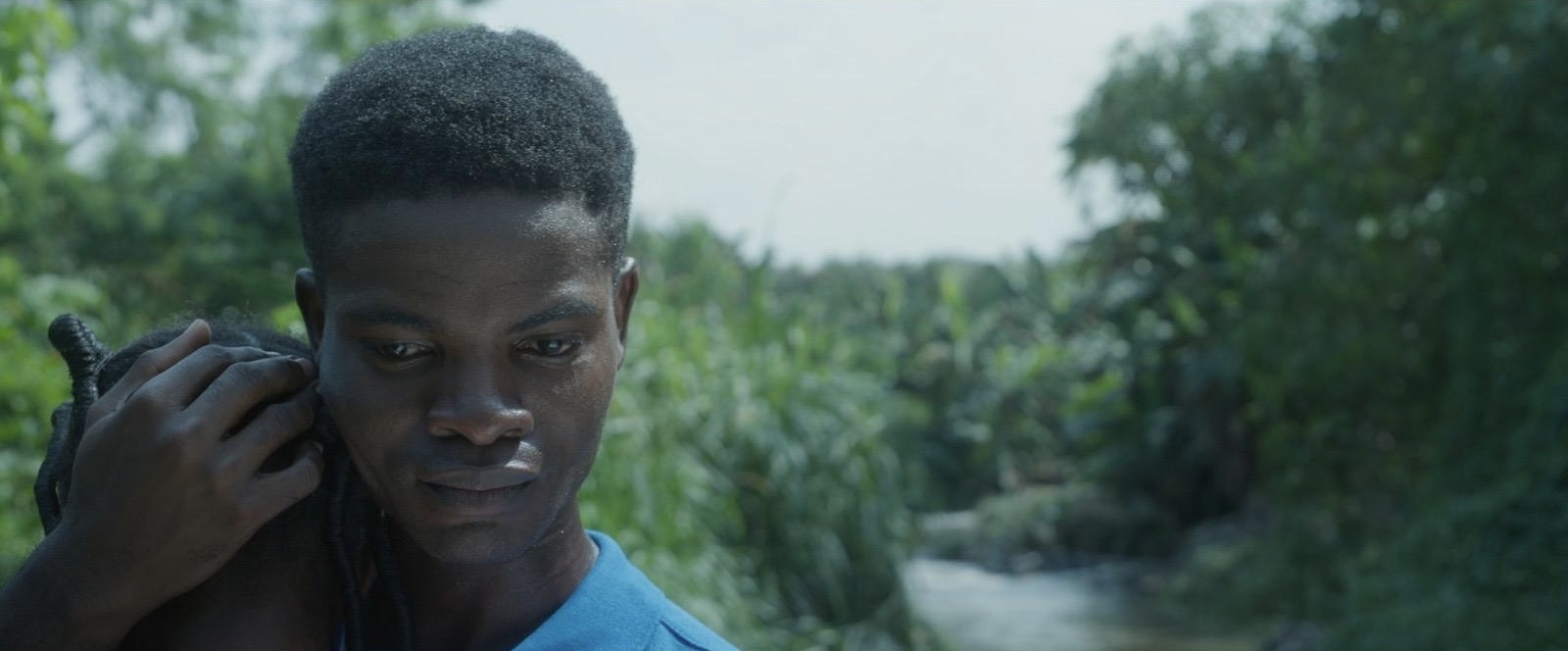
Adanne. Melon House
It took a village to make Adanne, I’m sure. As the writer and producer of this movie, can you walk me through the process of making Adanne—from development to production? What were the most demanding moments on set, and what did it take to bring the movie to life?
It started with the script. On the very first night, I wrote 30 pages. The emotional depth of the story was so intense that I felt the need to share it immediately with my closest circle. My partner, Lotanna Nwose, and my friend and scriptwriter, Stephanie Ngaduba, who both went on to serve as producer and associate Producer, respectively, read those early pages. Their reactions were the push I needed to continue. After a year of writing, the script was ready. But because we had lived with these characters for so long, we needed an outside perspective. So we hosted a table read with about 12 people from different backgrounds. The notes we received, and their emotional responses, gave us both clarity and confidence to move forward. Then came the search for our director, funding, and collaborators. I can confidently say nothing has demanded the level of commitment and strain that Adanne did. It truly took blood, sweat, prayers and tears.
One of the most demanding moments on set was navigating resistance, particularly around locations. We faced unexpected setbacks from agreements that had been in place for months. There were attempts to exploit the production financially, which was disheartening. At one point, putting together a 40-person crew to shoot a drama feature in Ibadan over eight days felt almost impossible. But we did it. By day three, all our carefully structured schedules went out the window. We had to adapt daily, sometimes hourly, based on location availability and shifting logistics. It’s hard to fully capture the intensity of that experience unless you’ve lived it. Wearing two hats, writer and producer, was both challenging and grounding. It allowed me to stay emotionally connected to the world I created while making practical decisions to protect it. I leaned heavily on our team, and I’m deeply enamoured by what we built together. From our director, Orobosa Ikponmwen, to our production manager, Adamson Ali, our heads of department, assistants, and every crew member, they filled in the spaces where I couldn’t. It truly took a village, and that village brought Adanne to life.
Adanne. Melon House
Making this movie, any movie, to be honest, requires a great deal of money. From a founder’s perspective, how did you navigate funding for Adanne?
Funding was the most strenuous part of making Adanne. It often felt like pulling teeth without any painkillers. What we encountered was a clear gap, a lack of structured support for independent filmmakers. When we finally received what felt like our first real opportunity, we had to walk away because it became evident the collaboration would have been built on strong-arming a “smaller creator.” That was a defining moment for us.
We had to ask ourselves: How serious are we about this? And if everyone says no, will we still do it? The answer was yes. This story was too important not just as a women-centred narrative, but as a culturally grounded reflection of our Igbo familial upbringing. So while there were moments the project felt at risk, we were never uncertain. We dipped into personal savings. We reached out to friends and family. We lived on tighter budgets. We said no to luxuries. And despite how straining production was, I am incredibly proud that we left Ibadan without owing a single person. We’re now in post-production, and we remain open to financial support and collaboration because the journey truly doesn’t end here.
Adanne. Melon House
Is there a moment in the process of shooting that you fondly cherish a lot? Could be a funny moment or a session where the vision for the shoot was actually met. Any moment, really
One of my fondest memories from set was watching Onyinye Odokoro and Kelvin Mary banter like an actual married couple. From rehearsals through the entire production, the two of them were so immersed in their characters that it carried beyond the camera. That chemistry sustained what’s needed for their roles. They constantly referred to each other by their character names, even off-set, and somehow managed to pull the entire crew into it. At some point, it felt like we were all living inside the world of the movie with them. In the middle of all the pressure and long hours, their energy was such a gift. It reminded me why casting is so crucial. When you get it right, the story breathes on its own. Maybe one day we’ll release some behind-the-scenes footage of their off-camera “arguments”, because honestly, it was that entertaining. I genuinely miss it.
The post What Does It Take to Shoot Adanne, A Movie About Three Generations of Nigerian Women? appeared first on BellaNaija - Showcasing Africa to the world. Read today!.
from BellaNaija https://ift.tt/4ct3IVl