
For years, conversations about Africa’s creator economy have centred on visibility. How do creators get discovered? How do they grow audiences? How do they attract brand partnerships? But as the industry matures, what happens after the views, the likes and the viral moments?
For Adetutu Laditan, the answer lies in infrastructure. After spending more than a decade helping shape YouTube’s growth across Sub-Saharan Africa, she saw firsthand how creators were building audiences, influencing culture and driving conversations, often without the systems needed to turn that influence into sustainable businesses. While talent was abundant, the pathways connecting creators to capital, distribution and long-term opportunities remained fragmented.
It is this gap that inspired the creation of Woof Studios, a platform designed to help creators move beyond platform dependency and into lasting economic value. Through initiatives like its presence at Cannes Lions happening on the 23rd of June, Woof Studios is creating opportunities for African creators to access global networks while strengthening the foundations of the continent’s growing creative economy.
Ahead of this year’s session, “How Africa’s Creators Are Building Culture as Infrastructure,” Adetutu shares her thoughts on the future of the creator economy, the importance of representation on global stages and why Africa’s creators are already shaping what comes next.
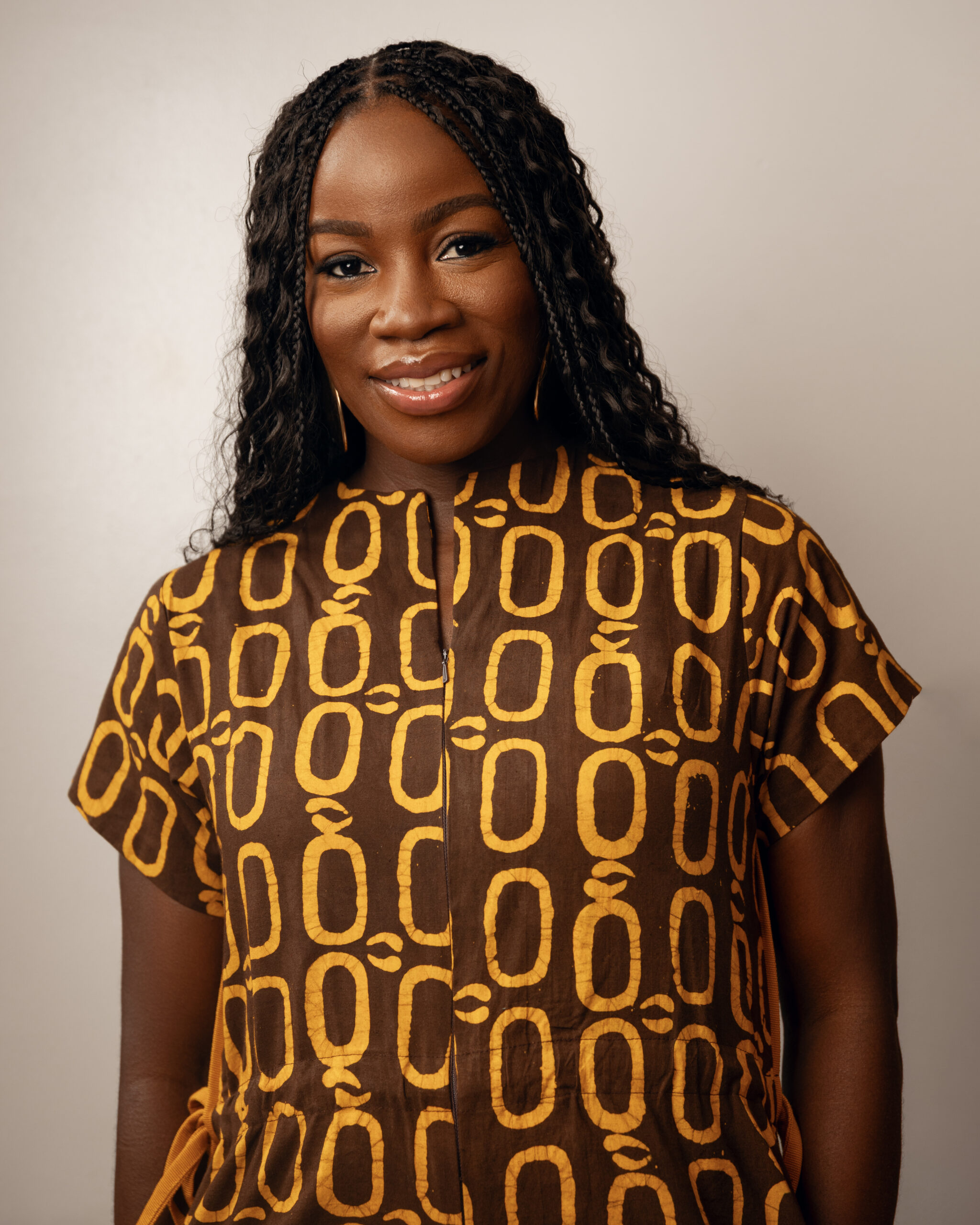
After more than a decade of disseminating YouTube’s growth across Sub-Saharan Africa, what gap did you see in the creator ecosystem that inspired the creation of Woof Studios?
After more than a decade of watching YouTube’s growth across Sub-Saharan Africa, the gap that became impossible to ignore was the infrastructure around talent, which is peculiar to this region. Creators were emerging everywhere: filmmakers, storytellers, comedians, educators. The audience was ready, too. But what was missing was the layer that turns creative momentum into a sustainable industry.
Firstly, monetisation pathways were too narrow and inconsistent. Ad revenue alone can’t support the kind of production quality or teams needed to scale serious creative work. Many creators hit a ceiling not because of reach, but because of economics. The second aspect is that there was a lack of distribution thinking beyond platforms. A lot of great content lived and died online without being connected to broader cultural, commercial or offline ecosystems, film, brands, events, education, or institutional partnerships.
Third, there was no real “bridge layer” between creators and capital. Brands wanted cultural relevance, creators needed funding and structure, but the matchmaking system was fragmented, transactional and often extractive rather than strategic. So, Woof Studios came out of that gap, less as a traditional studio and more as a systems layer for the creator economy. A way to connect storytelling with capital, brands with culture, and creators with scalable opportunities beyond platform dependency.
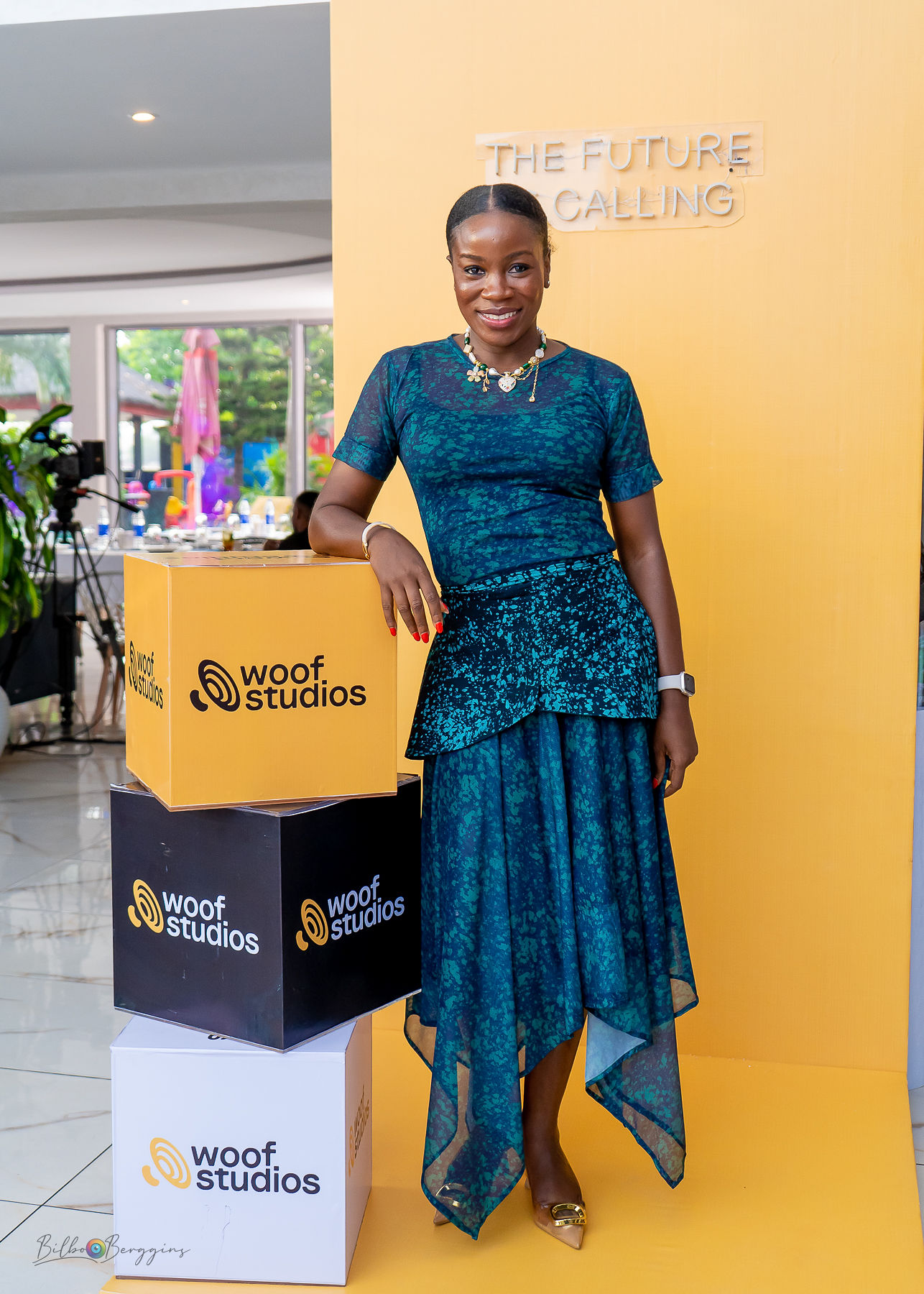
Woof Studios is taking African creators to Cannes Lions for the second year. Why was it important for you to ensure African voices are represented in conversations happening on a global stage like Cannes?
I think it’s really about representation in the places where decisions are actually being made.
At Cannes Lions, you have the biggest global advertisers, tech platforms, media owners, creators and celebrities all in one space talking about what’s shaping the future of culture, marketing and technology. If Africa isn’t present in those rooms as an emerging region, then a lot of those decisions get made without us and, more importantly, without us being considered from the start.
For me, bringing creators into that environment does two things.
First, exposure. And I think exposure is probably one of the most important currencies right now. You get to see what the people shaping global platforms, investment, and creativity are actually focused on. That kind of context changes how you think. And when you bring that back home, it raises the standard of what you build and how you execute.
Second, it’s about access and connection. We can’t keep saying there’s no funding, no opportunity, no attention while staying outside of the rooms where those things are being distributed. You have to show up, build relationships, pitch yourself, and make sure people understand the value you bring. Not from a place of asking, but from a place of being present and visible.
That’s why I’m excited we are doing this again with Woof Studios, taking creators into those spaces to see what’s possible, connect directly, and come back with sharper clarity on what needs to be built here.
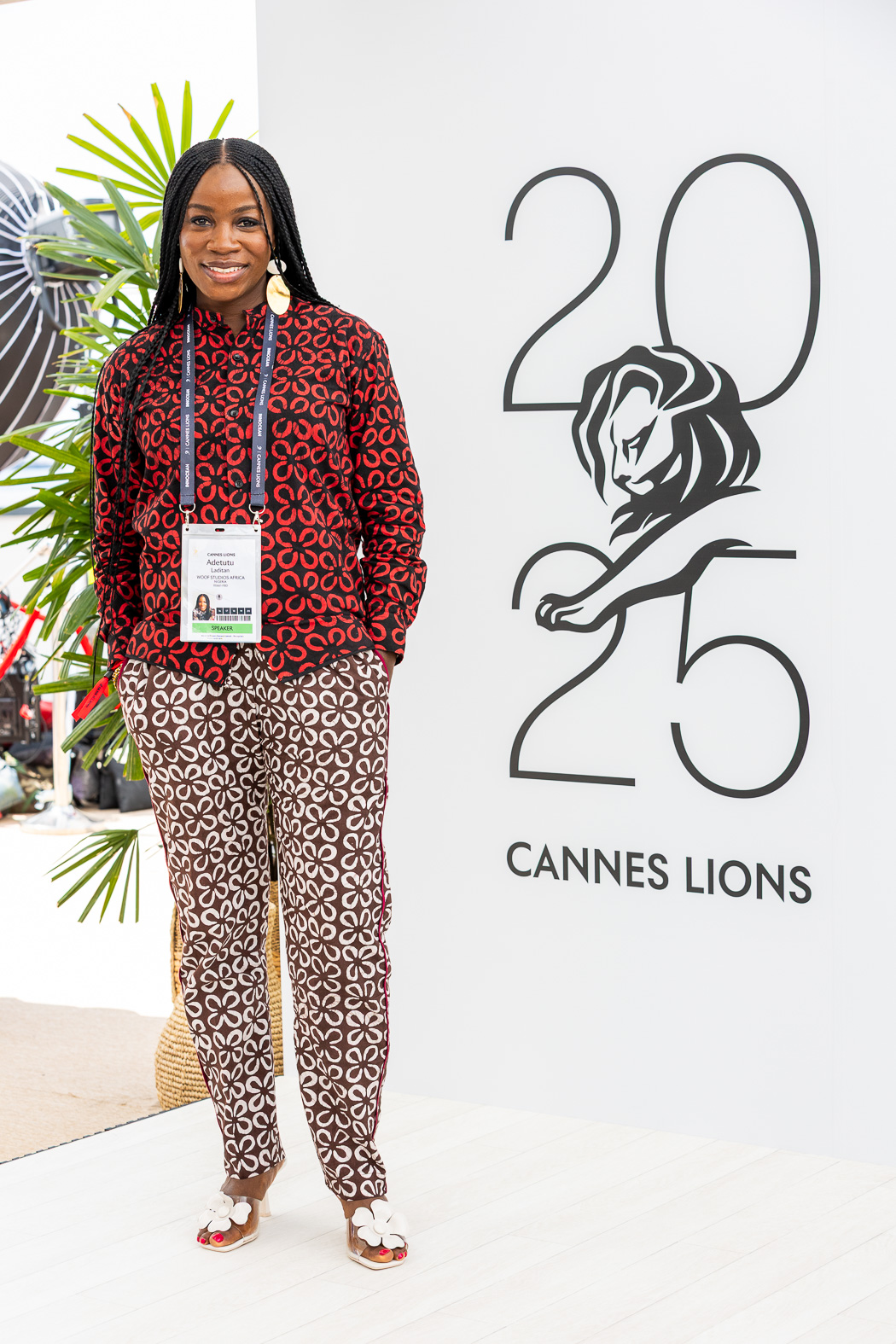
This year’s session is titled “How Africa’s Creators Are Building Culture as Infrastructure.” What does “culture as infrastructure” mean to you, and why is that idea particularly relevant to Africa today?
To me, “culture as infrastructure” means recognising that in Africa, culture is not just expression or entertainment, it’s one of the main systems we already use to move ideas, influence behaviour and create economic value. Creators here are effectively building the rails that brands, platforms, and even governments run on: shaping what people pay attention to, what they trust, and what they engage with.
It’s especially relevant now because Africa isn’t starting from saturated legacy systems. We’re still building. So culture isn’t sitting on top of infrastructure; it is the infrastructure. And whoever builds it intentionally will shape what the next decade of growth looks like.
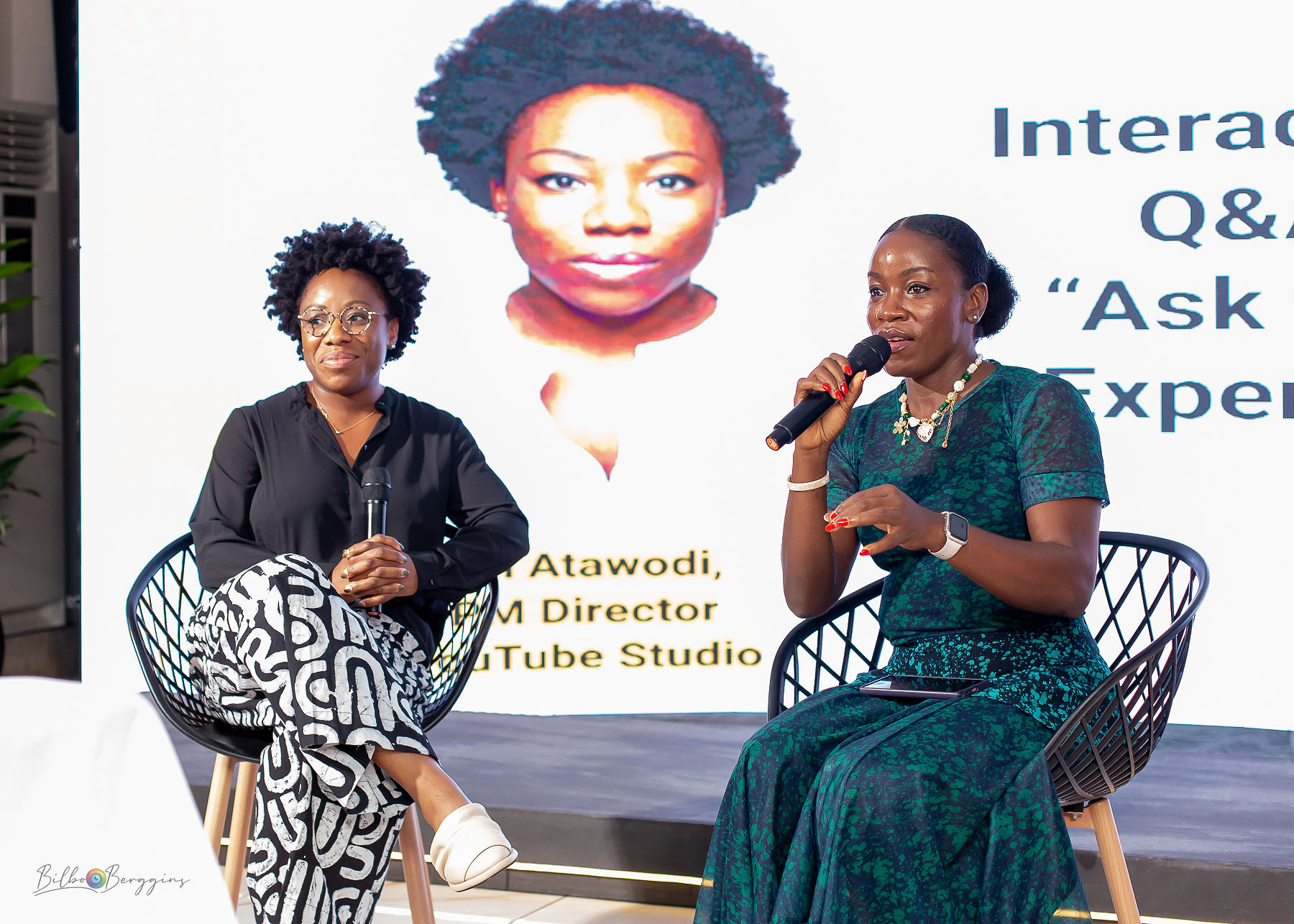
The panel brings together voices from lifestyle, finance, media and sports. What would you say informed the selection of these particular creators, and what unique perspectives do they bring to the conversation?
What makes this panel exciting is how it reflects the real ways culture is being built across Africa, not in theory, but in practice. You have Tomike Adeoye, who has built a lifestyle brand rooted in community and influence, and understands how culture travels through everyday content, identity, and relatability.
You have Financial Jennifer, who is doing powerful work in the finance space, building a community of over 30,000 women around money, investing, and wealth-building while balancing careers and creation. That intersection of financial literacy and storytelling is reshaping how people engage with money.
And you have Bernice, who brings a sports perspective we don’t often see from women in this way. Sport is one of the most powerful cultural engines globally, from the Premier League to the World Cup, and she sits right in the middle of that, shaping how audiences experience it.
What connects them is simple: they’re not just talking about culture, they’re actively building it. And when you bring those perspectives into one room at Cannes, it opens up a much richer conversation about what “culture as infrastructure” really means and how Africa is already shaping that story in real time.
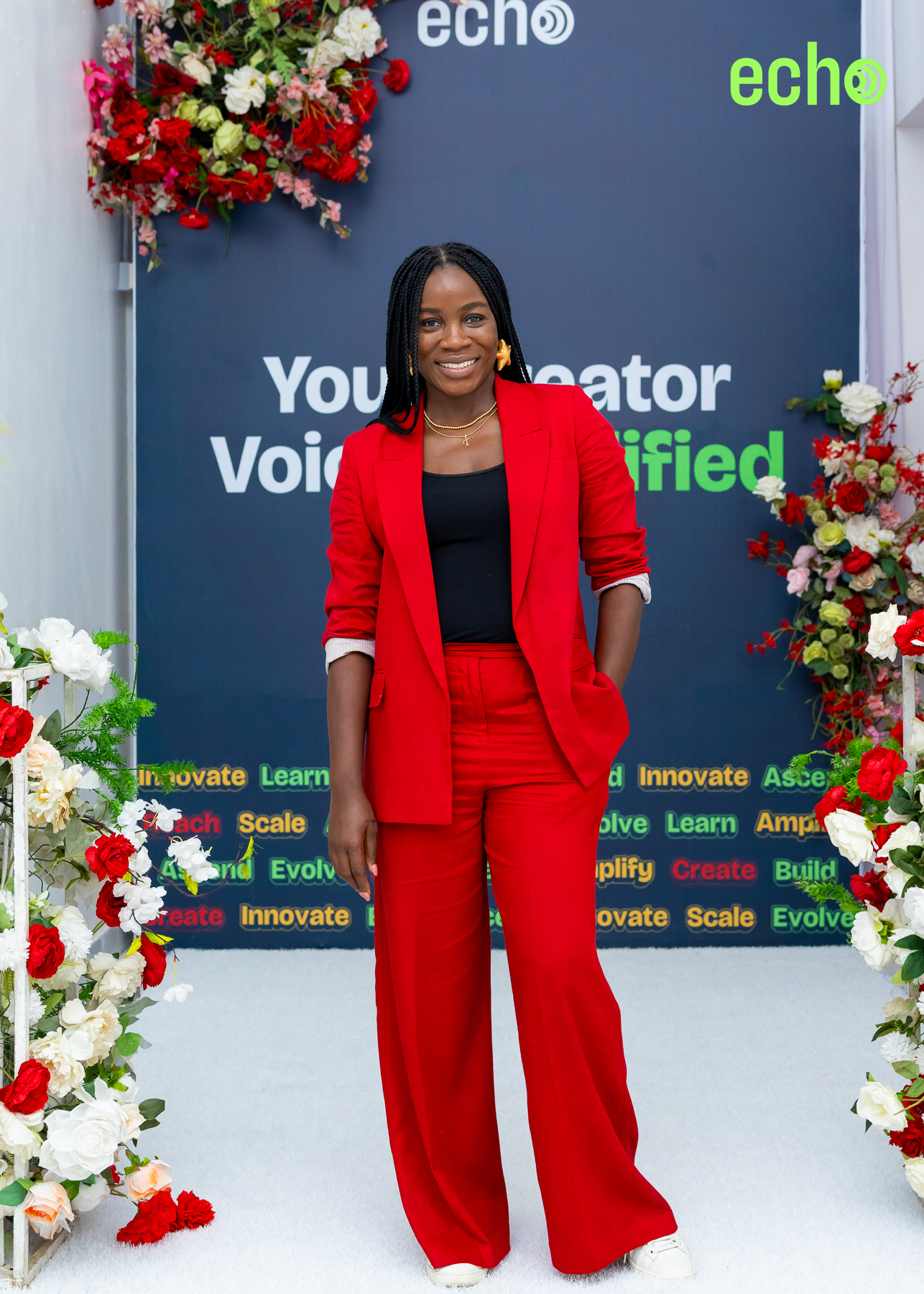
What practical changes need to happen for African creators to be seen not just as influencers, but as builders of long-term economic value?
A few practical shifts need to happen.
First, we need to move from treating creators as “campaign channels” to recognising them as IP builders, people creating shows, formats, communities, and long-term cultural assets. Second, capital has to come in earlier, not just after the scale is proven. More development funding would unlock experimentation and help creators build exportable ideas, not just content. Third, we need better ways to measure value beyond reach and engagement; factors like trust, cultural influence, and community depth matter just as much. And finally, we need stronger bridge infrastructure, studios, partners, and platforms that understand both culture and commerce, and can turn attention into real business value.
That’s the shift: from influencers in campaigns to builders of lasting cultural and economic assets.
When you look at the future of Africa’s creator economy, what opportunities do you think the rest of the world is still underestimating about the continent’s creative talent and cultural influence? The biggest underestimated opportunity is that Africa isn’t just producing creators, it’s actively shaping the blueprint for how future creative economies will be structured, owned, and monetised.
What’s happening here isn’t just growth within existing systems; it’s the building of new ones in real time. Creators are working without heavy legacy constraints, which is driving new formats, new business models, and more direct relationships between culture and commerce.
At the same time, African culture is already globally influential, but the infrastructure to fully capture and scale that value is still catching up. That gap is where a lot of the opportunity sits. So this isn’t about Africa catching up, it’s about Africa quietly defining what comes next.
The post Why Adetutu Laditan Is Building Infrastructure for African Creators Through Woof Studios appeared first on BellaNaija - Showcasing Africa to the world. Read today!.
from BellaNaija https://ift.tt/HnISwG7